Explore the coolest gadgets, accessories, and lifestyle finds today!


The Benefits of Regular Fiber Intake for Heart and Metabolic Health

Discover the benefits of regular fiber intake for Heart and Metabolic Health. Learn how dietary fiber supports longevity, heart health, digestion, and disease prevention.

The Benefits of Regular Fiber Intake Backed by Science
The benefits of regular fiber intake extend far beyond supporting weight loss. Regular fiber consumption plays a vital role in improving overall health, extending lifespan, and even protecting brain function.
Despite its importance, many people still fail to consume enough fiber daily to fully experience its powerful health effects.
A diet rich in fruits, vegetables, seeds, legumes, and whole grains provides essential dietary fiber that supports both the body and the brain.
Health experts recommend an average intake of around 30 grams of fiber per day, yet most adults consume far less than this amount.
Dietary fiber is a type of carbohydrate that the human body cannot fully digest.
Because it passes through the digestive system largely intact, fiber supports gut health, feeds beneficial bacteria, and helps regulate blood sugar and cholesterol levels.
The Benefits of Regular Fiber Intake for Heart and Metabolic Health
One of the most well-documented benefits of regular fiber intake is its protective effect against cardiovascular and metabolic diseases.
According to comprehensive research published in The Lancet, individuals with higher fiber intake experienced a 15–30% reduction in mortality cardiovascular-related deaths.
The findings also showed a lower incidence of coronary heart disease, stroke, type 2 diabetes, and colorectal cancer among those consuming higher amounts of dietary fiber.
Clinical trials further demonstrated that higher fiber intake was associated with lower body weight, reduced systolic blood pressure, and decreased total cholesterol levels.
Notably, the greatest risk reduction occurred when daily fiber intake ranged between 25 and 29 grams, aligning closely with current nutritional recommendations.
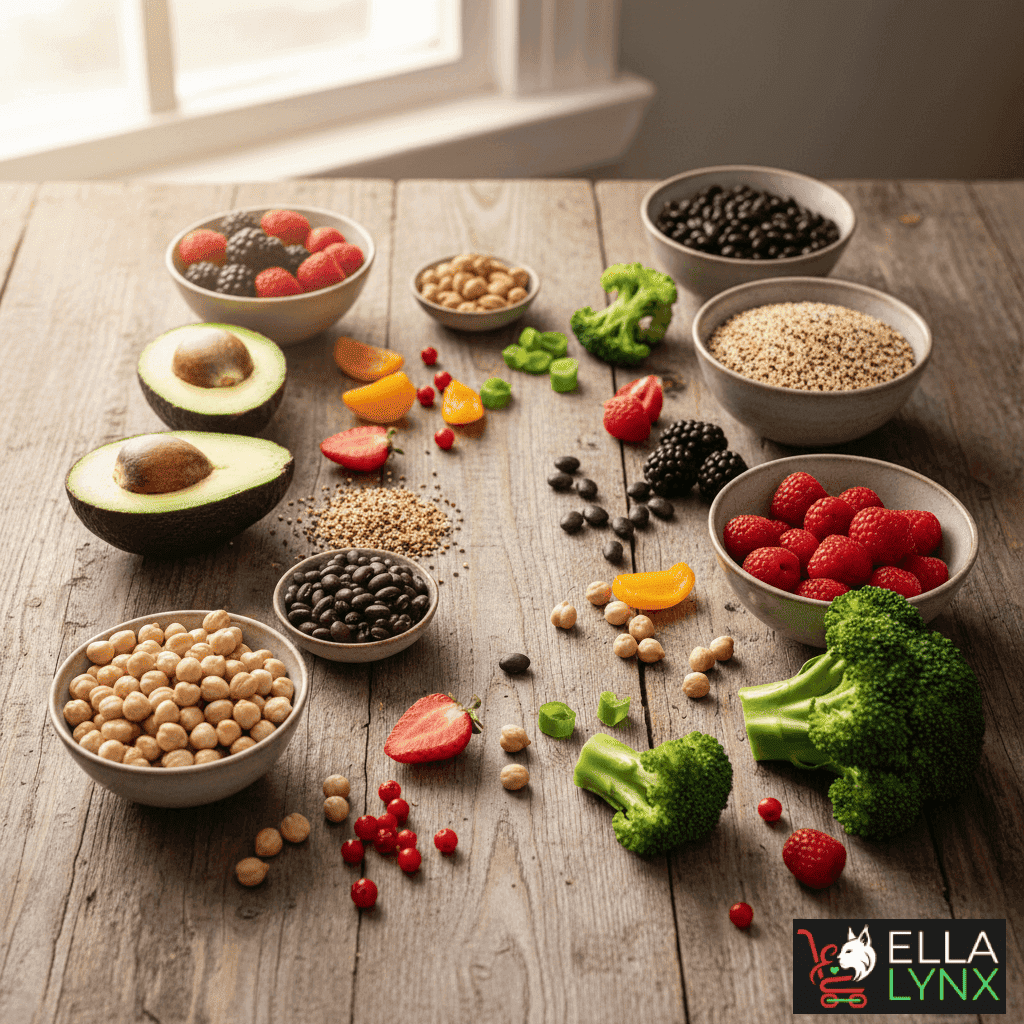
The Benefits of Regular Fiber Intake for Digestive Health
Consistent intake of fruits, vegetables, grains, seeds, and legumes nourishes the gut.
These foods also support brain function and strengthen defenses against chronic disease.
Most nutrition professionals advise adults to eat around 30 grams of fiber daily. This amount leads to meaningful health improvements.
Unfortunately, modern eating habits often rely on ultra-processed foods. This makes it very easy to miss the daily target.
Dietary fiber is unique. Digestive enzymes do not fully break it down. Unlike other carbohydrates, fiber moves through the digestive tract largely intact.
This process regulates digestion and promotes satiety. It also stabilizes blood sugar and supports a healthy gut microbiome.
Prioritizing plant-based foods is an effective strategy. Legumes like lentils, beans, and peas are naturally rich in fiber and protein.
Simple habits can significantly boost your daily consumption.
Try adding chickpeas to pancake batter or tossing peas into pasta. These small changes do not compromise flavor.
Replacing refined grains is another practical approach. Choose whole-grain bread, pasta, and cereals to add more fiber.
This also improves the nutrient density of your meals. If you prefer refined pasta, try mixing it with whole-grain varieties. Most people barely notice this easy transition.
Fiber-rich snacks also make a big difference. Foods like popcorn, apples, nuts, and seeds offer distinct health benefits.
This variety supports digestive health and enhances your overall well-being.