Explore the coolest gadgets, accessories, and lifestyle finds today!


What to Do to Lose Weight Faster and in a Healthy Way

At this time of year, many of us face new challenges. A new year has arrived, bringing new responsibilities, goals, and expectations.
If one of your goals is to start the year on a healthier path, lose weight, and take better care of your body and mind, you’re in the right place.
On our website, we’ll be sharing a series of posts designed to support, guide, and inspire you throughout this journey. After all, you’re not alone on this path.
In today’s post, we’ll share the first essential tips for healthy weight loss and introduce some products that may support you in your goal of living a healthier life.
Burn More Calories Than You Consume
To lose weight in a healthy way, your body needs to burn more calories than it takes in. This process involves adjusting eating habits and incorporating physical activity into your routine.
However, it’s important to understand that this journey should not be radical or extreme. Sustainable weight loss happens gradually, step by step, while celebrating each small achievement along the way.
Your main goal is not just to lose weight, but to feel healthier, stronger, and more balanced.
Today, we’ll focus on three important tips. In upcoming posts, we’ll continue to explore additional strategies to help you stay motivated and consistent.
Consume Foods That Help Burn Body Fat
Including certain foods in your diet can be very beneficial during the weight-loss process, as they may help boost your metabolism and support fat burning.
Some examples include hibiscus tea, green tea, mulberry flour, eggs, and red fruits such as strawberries and blueberries.
These foods are rich in antioxidants and nutrients that support your body’s natural functions.
Always make sure you’re not allergic to any of these foods before adding them to your routine.
Eat Foods That Reduce Bloating and Inflammation
If your body is bloated or inflamed, weight loss can become slower and more difficult. Reducing inflammation helps your body function more efficiently and improves overall well-being.
Foods such as salmon, tuna, sardines, flaxseeds, and nuts are excellent choices. They are rich in healthy fats and nutrients that help reduce water retention and inflammation.
Again, avoid any foods that may cause allergic reactions.
Drink Plenty of Water: The Forgotten Pillar of Weight Loss
Water might seem simple, but it’s one of the most powerful tools you have when it comes to losing weight, and yet it’s often overlooked.
Many people focus only on food and exercise, but hydration plays a crucial role in how your body functions every day.
First, water regulates nearly every process in your body. It helps control body temperature, aids digestion, supports kidney function, and even participates in how your body metabolizes fat.
It’s common to think you’re hungry when your body is actually thirsty. Staying well hydrated helps you recognize true hunger, which means you’re less likely to eat when you don’t need to.
Studies show that drinking water can slightly increase the number of calories your body burns, especially when you drink cold water that your body has to warm up to its own temperature.
Hydration also keeps your energy levels up so you feel better during workouts and everyday activities.
Another important effect of water is on digestion and bloating. When your body is dehydrated, digestion slows, which can lead to constipation, discomfort, and a feeling of heaviness.
Proper hydration keeps everything moving smoothly and reduces unnecessary bloating, which can make you feel lighter and more comfortable in your clothes.
So how much water should you drink?
While everyone’s needs are different based on body size, activity level, and climate, a common recommendation for most adults is to aim for about 2 liters per day as a starting point, roughly 8 glasses.
You can increase this amount if you’re very active, in a hot environment, or exercising intensely.
Here are some practical ways to stay hydrated every day:
- Carry a reusable water bottle with you wherever you go.
- Drink a glass of water first thing in the morning.
- Drink water before meals to help control appetite.
- If plain water feels boring, try infused water with lemon, mint, or cucumber, just avoid adding sugar.
- Remember that foods high in water content, like watermelon, cucumbers, and leafy greens, also count toward your hydration.
Hydration is not a magic bullet. Drinking water alone won’t burn fat instantly, but it helps everything else work better: digestion, metabolism, and appetite control.
When you pair good hydration with balanced eating and regular movement, you’re giving your body the best chance to succeed on your healthy weight-loss journey.
💙 We’ve selected a few products that can support you on your journey to losing weight or becoming healthier.
Having people and tools to guide and support you through this process is a fundamental step.
Water Bottles
Above, we talked about the importance of drinking water daily for overall health and skin health.
To help you maintain this essential routine, we selected some water bottles available on Amazon that can support you in building this new healthy habit.
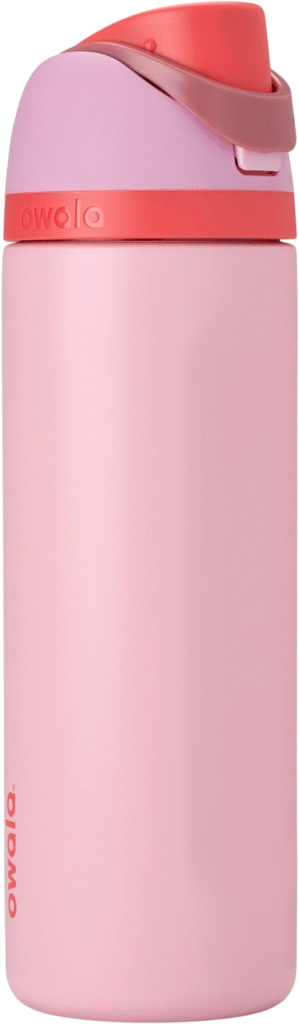
Owala FreeSip Stainless Steel Water Bottle, 24 oz
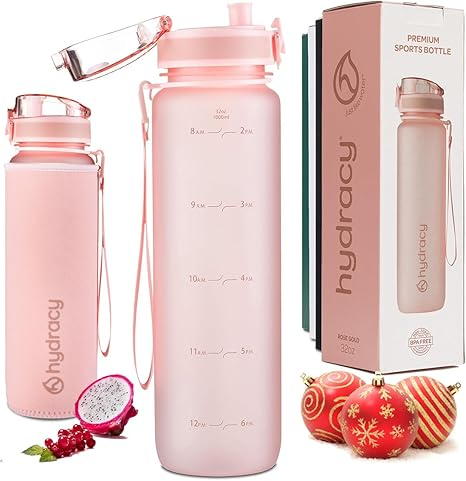
Hydracy Water Bottle with Time Marker
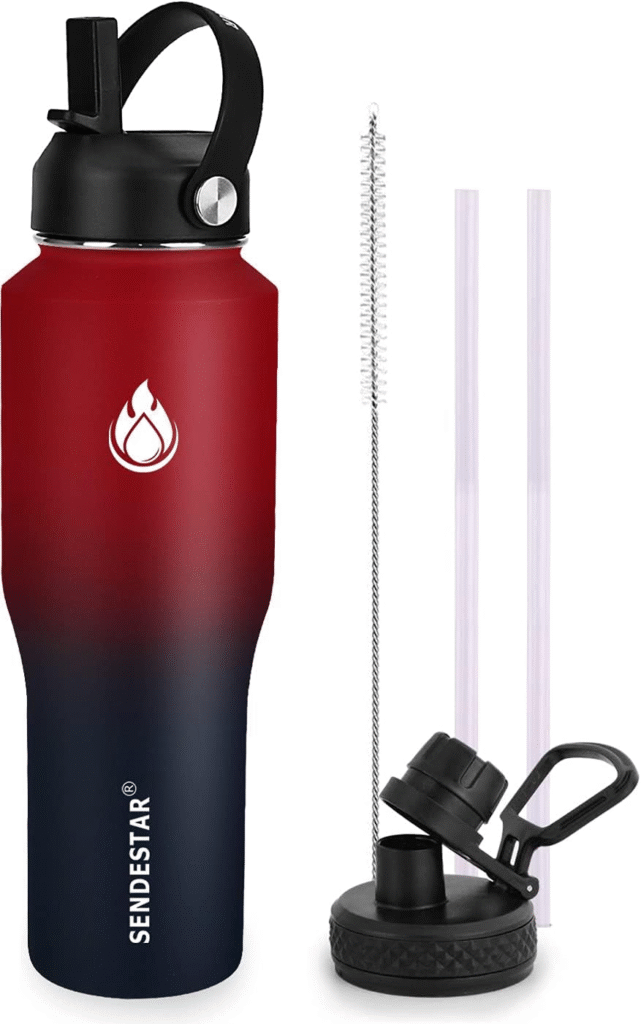
SENDESTAR 32oz Water Bottle Wide Mouth Stainless Steel
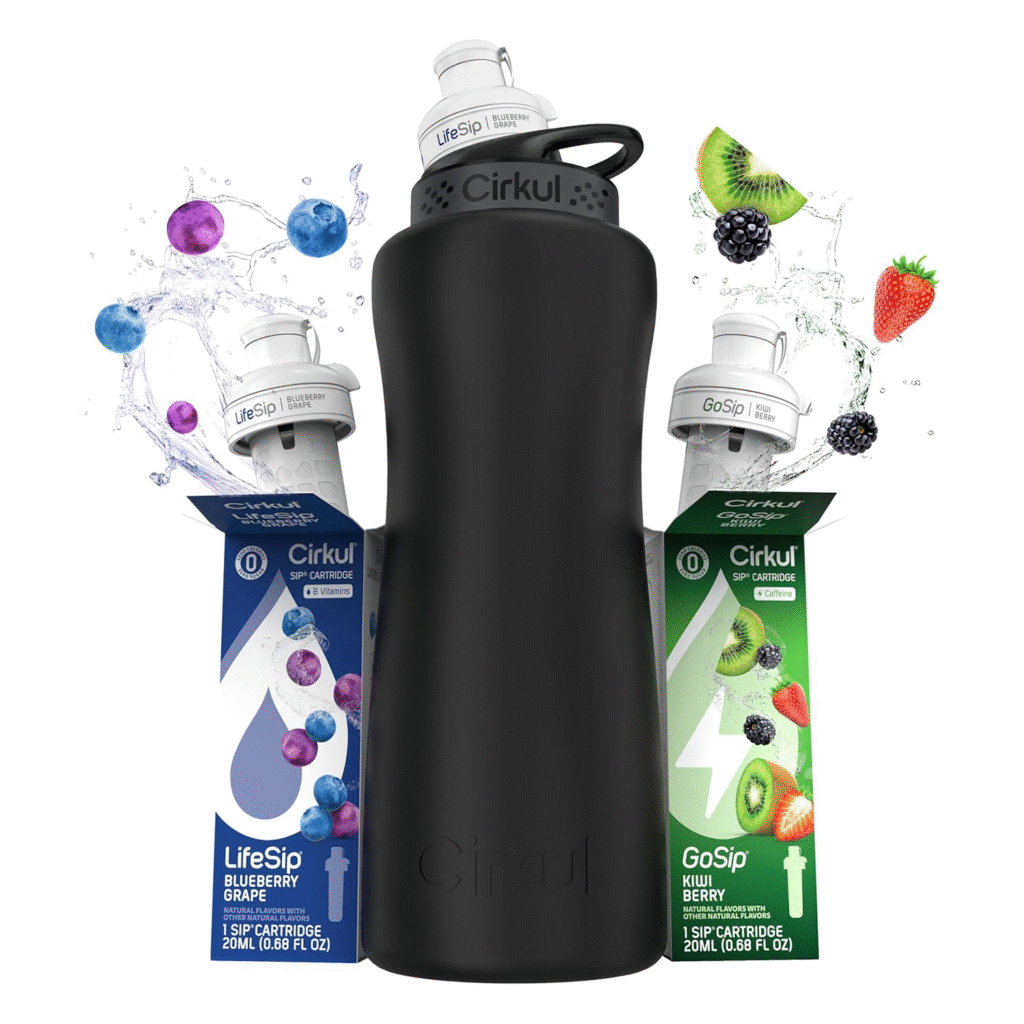
Cirkul 32oz. Matte Black Stainless Steel Water Bottle
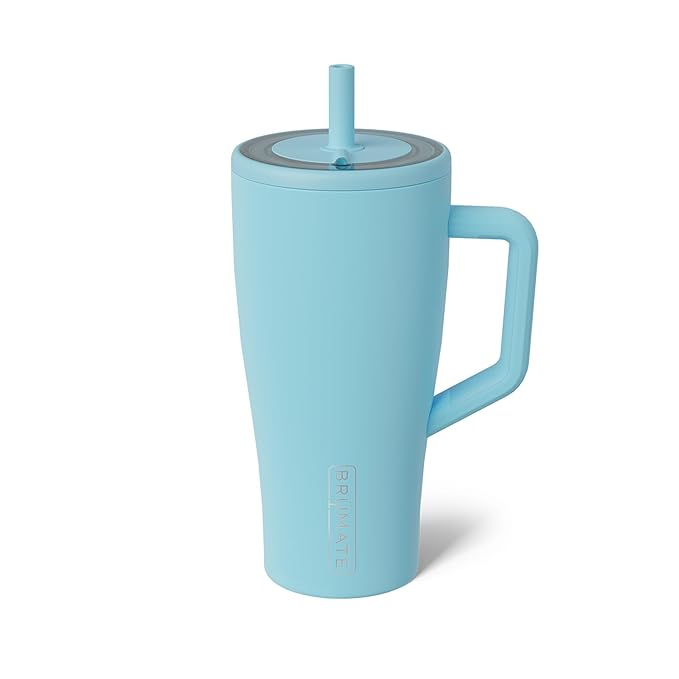
BrüMate Era 30 oz Tumbler with Handle & Straw Water Bottle
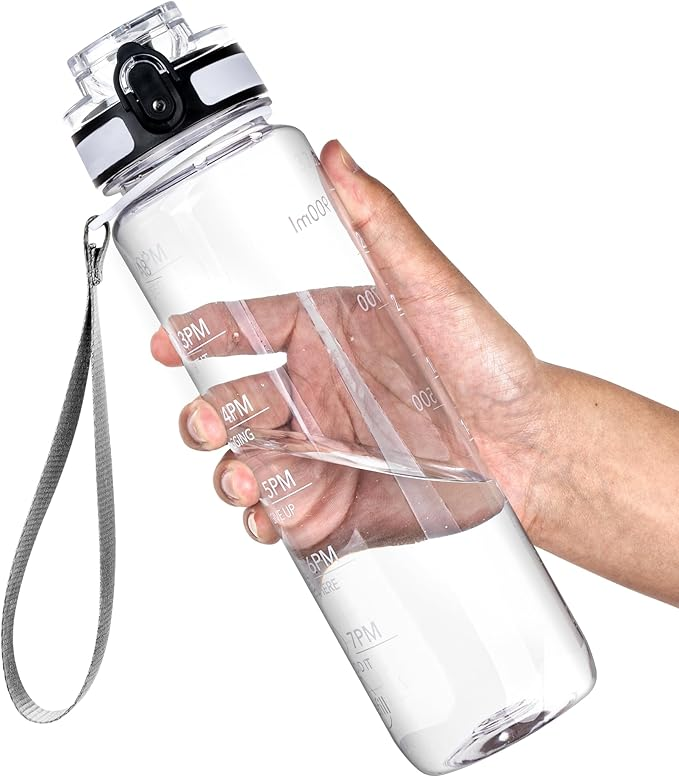
OLDLEY Water Bottle, 32oz Motivational Sports Water Bottle with Time Marker
Food Scale – Why a Food Scale Helps With Weight Loss
A kitchen food scale is actually one of the most effective tools for weight management because:
- 1. It Helps You Accurately Track Portions – Eyeballing portions often leads to eating more than you think. Weighing food gives you precise portion sizes so you know exactly how much you’re eating, essential for calorie control.
- 2. It Improves Your Nutrient Tracking – If you use apps like MyFitnessPal or Cronometer, weighing your food provides much more accurate nutrition data than estimating portion sizes (like “1 cup” or “handful”).
- 3. It Increases Awareness and Accountability – Weighing food can make you more aware of how much you’re eating at each meal, which often leads to better food choices and more mindful eating.
- 4. It’s Useful for Many Diet Approaches – Whether you’re counting calories, tracking macros (protein/carbs/fat), following keto, intermittent fasting, or other plans, a scale helps you stick to your nutritional goals.
In weight loss, calories in vs. calories out is key, and if you don’t know how much you’re eating, it’s very hard to manage that accurately. A food scale removes guesswork.
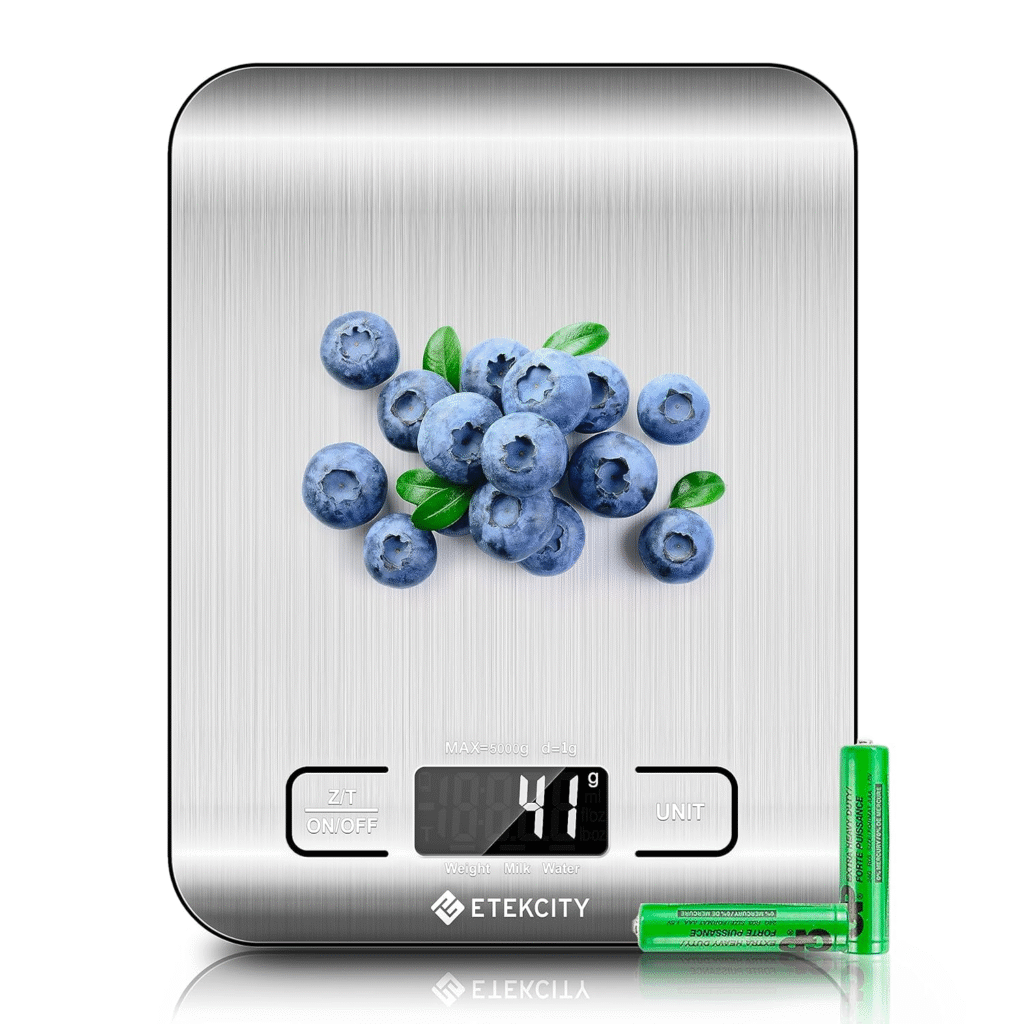
Etekcity Food Kitchen Scale, Digital Grams and Ounces for Weight Loss
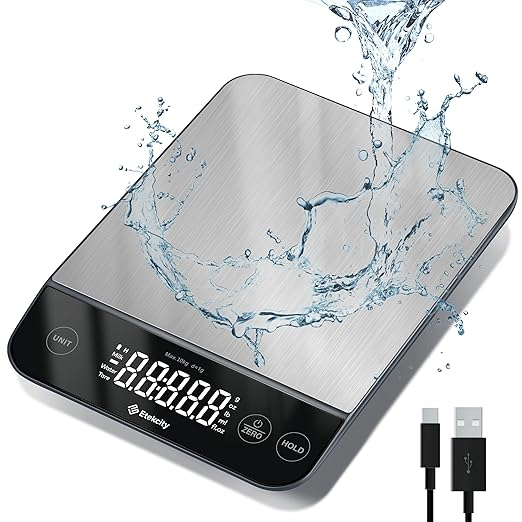
Etekcity Digital Food Kitchen Scale, Grams and Oz for Weight Loss
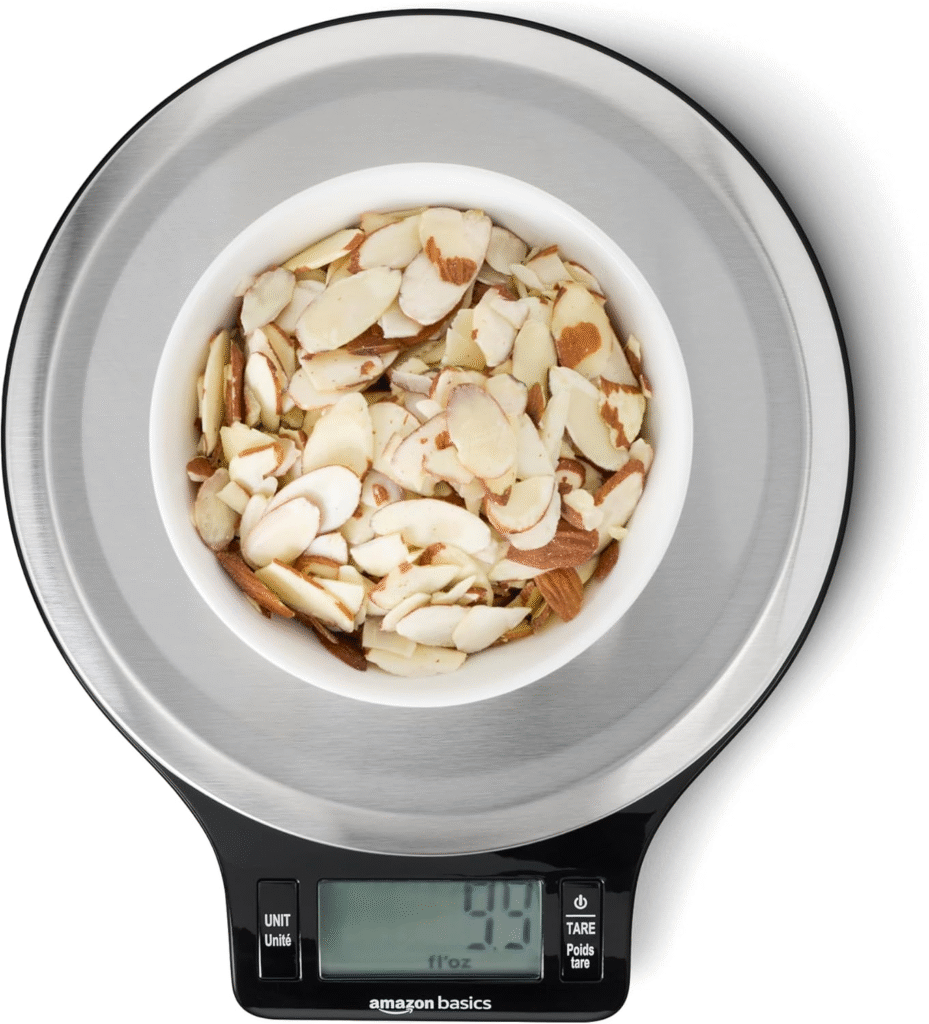
Amazon Basics Digital Kitchen Scale with LCD Display
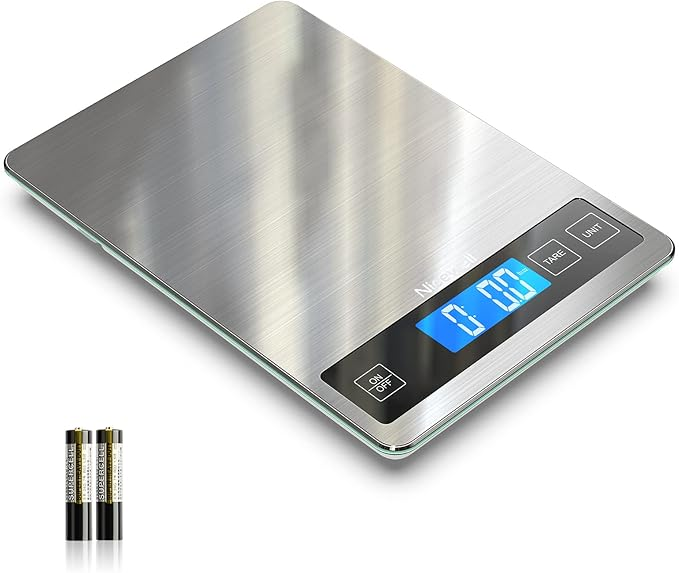
Nicewell Food Scale, 22lb Digital Kitchen Scale Weight
Scale for Body Weight
A body weight scale is an important tool when trying to lose weight because it helps you track your progress over time. By regularly checking your weight, you can see whether your efforts with diet and exercise are working.
This feedback can motivate you to stay consistent and make healthier choices, as small changes on the scale often reflect positive habits.
In addition, using a body weight scale helps you stay aware of your body and avoid unhealthy weight gain. It allows you to adjust your routine if your weight is not changing as expected.
While the scale should not be the only measure of success, it provides useful information that supports better planning and long-term weight management.
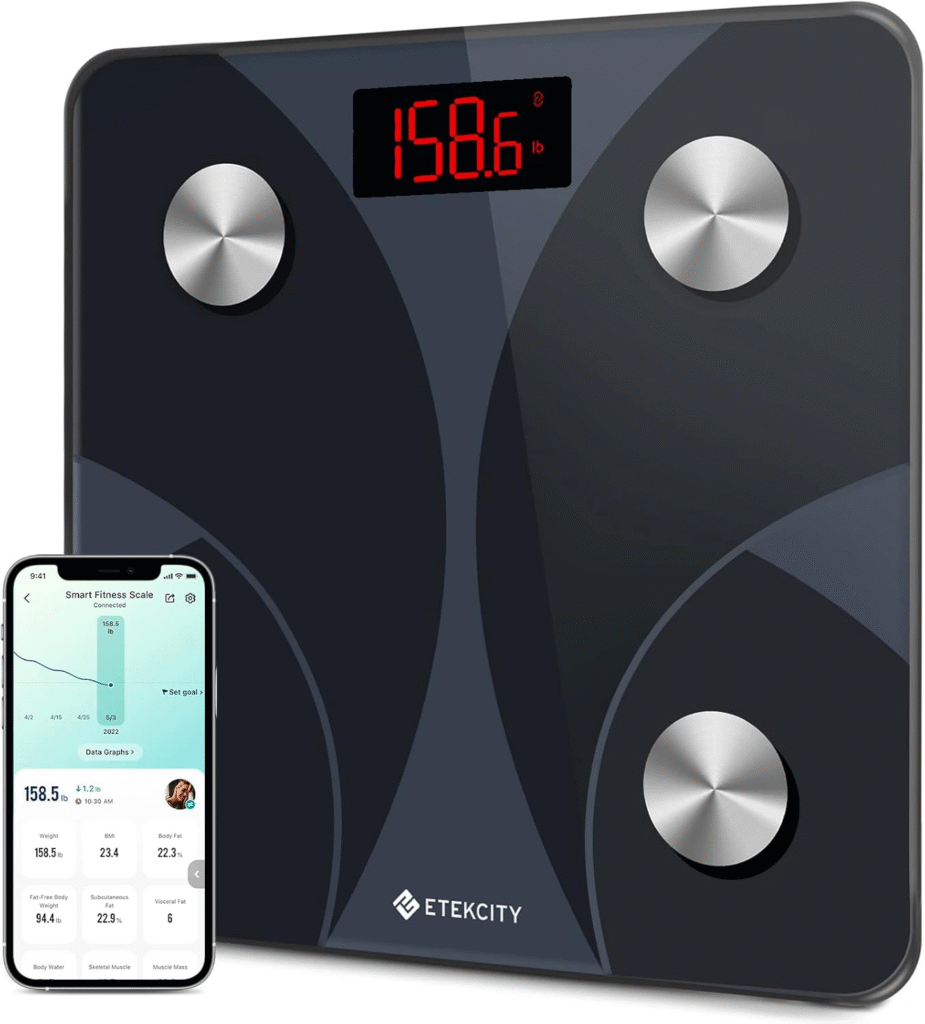
Etekcity Scale for Body Weight and Fat Percentage, FSA&HSA Eligible
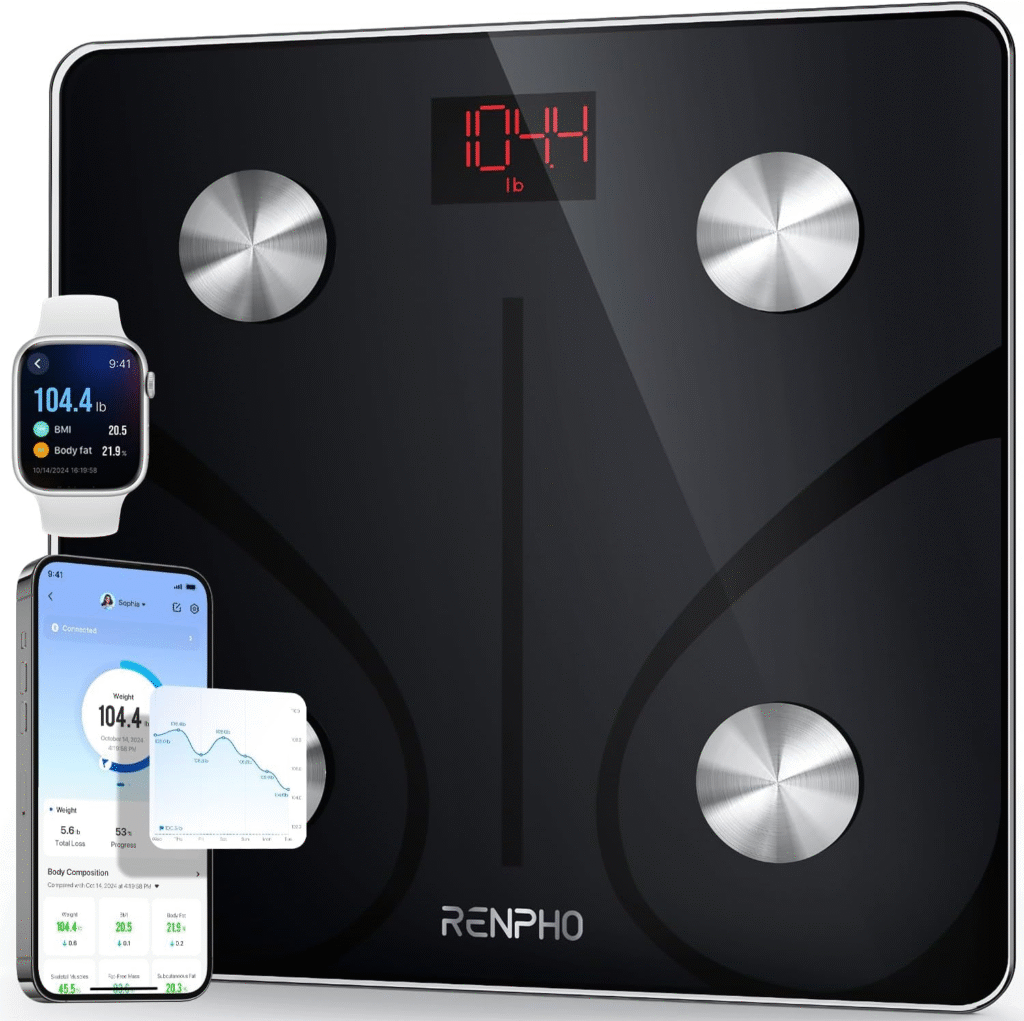
RENPHO Smart Scale for Body Weight
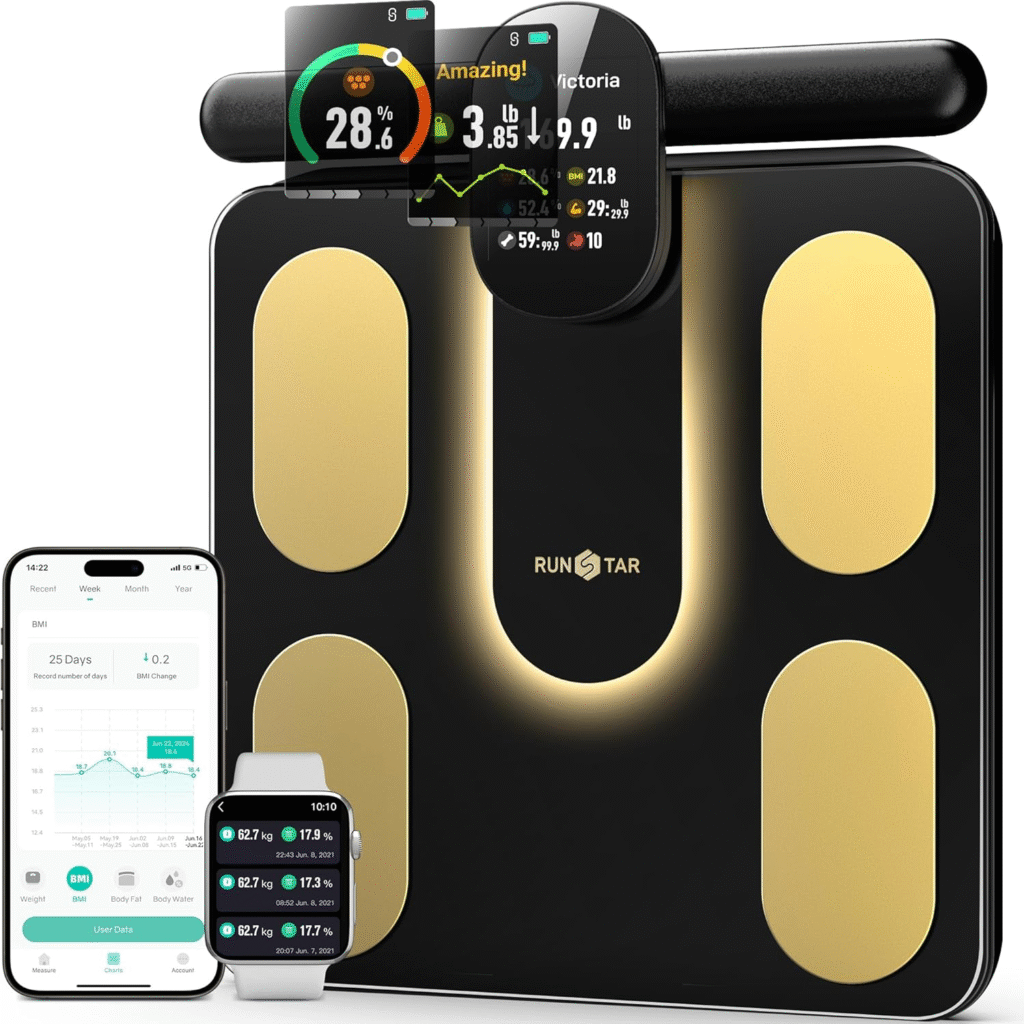
RunStar Smart Scale FSA&HSA Eligible
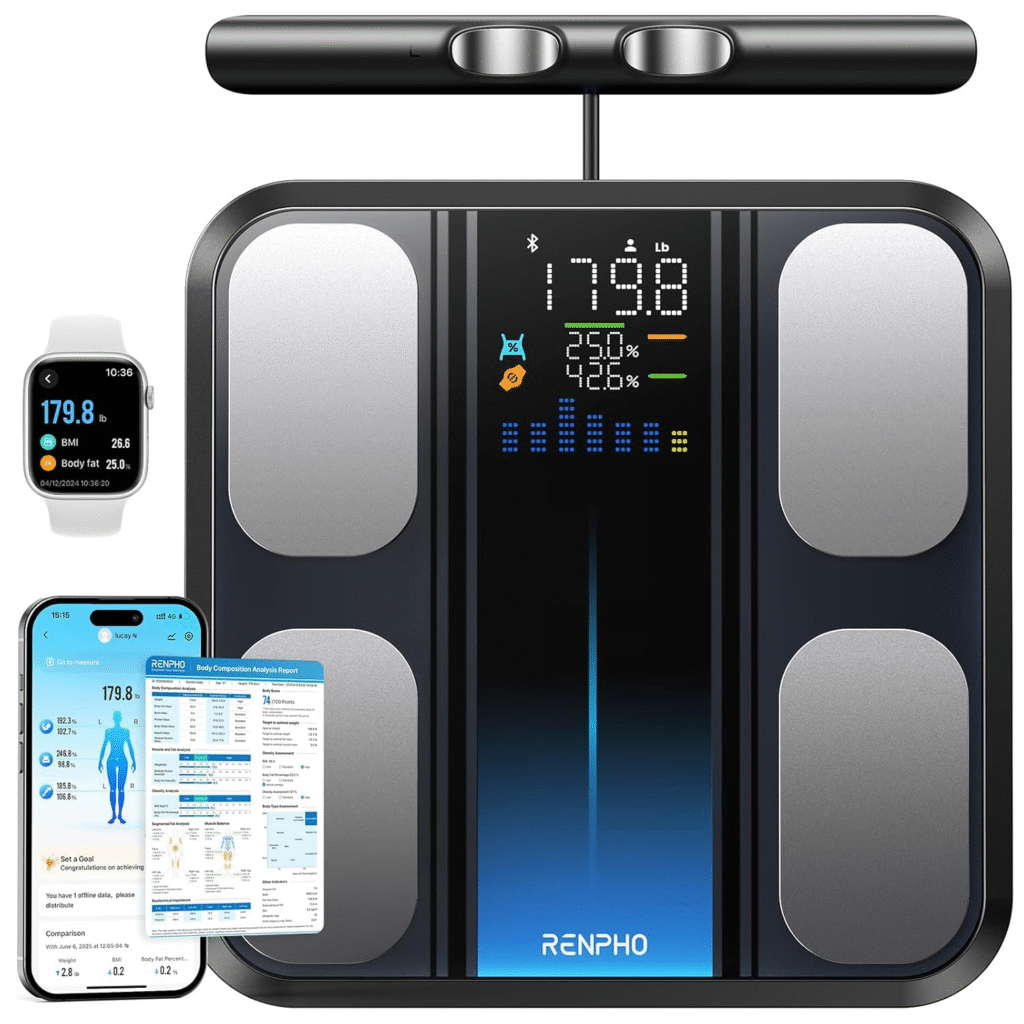
RENPHO Smart Scale for Body Weight, FSA&HSA Eligible
Losing weight in a faster and healthy way requires a balanced approach that combines good nutrition, regular physical activity, and positive daily habits.
Instead of focusing on extreme diets or quick fixes, the key is to adopt sustainable changes that support your body and overall well-being.
Simple actions such as drinking enough water, choosing nutrient-rich foods, staying active, and monitoring your progress can make a big difference over time.
When these habits are practiced consistently, weight loss becomes not only more effective but also healthier and easier to maintain.
In the next posts, we will share more tips, ideas, and simple strategies to support and encourage readers to take better care of themselves.
Our goal is to inspire small, positive changes that build confidence, promote self-care, and make the weight-loss journey healthier and more enjoyable. 💙